Gender-based violence, or threats, abuse, or harm to a person on the basis of sex and/or gender, is a pervasive problem throughout the world – but there are many ways to combat it.
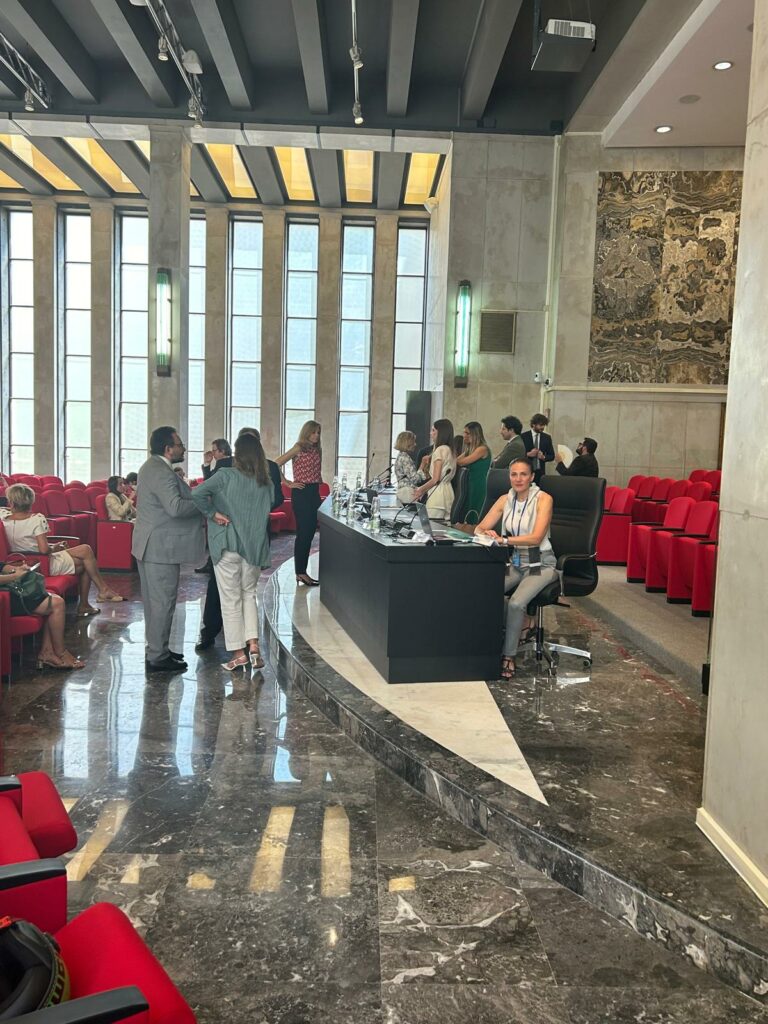
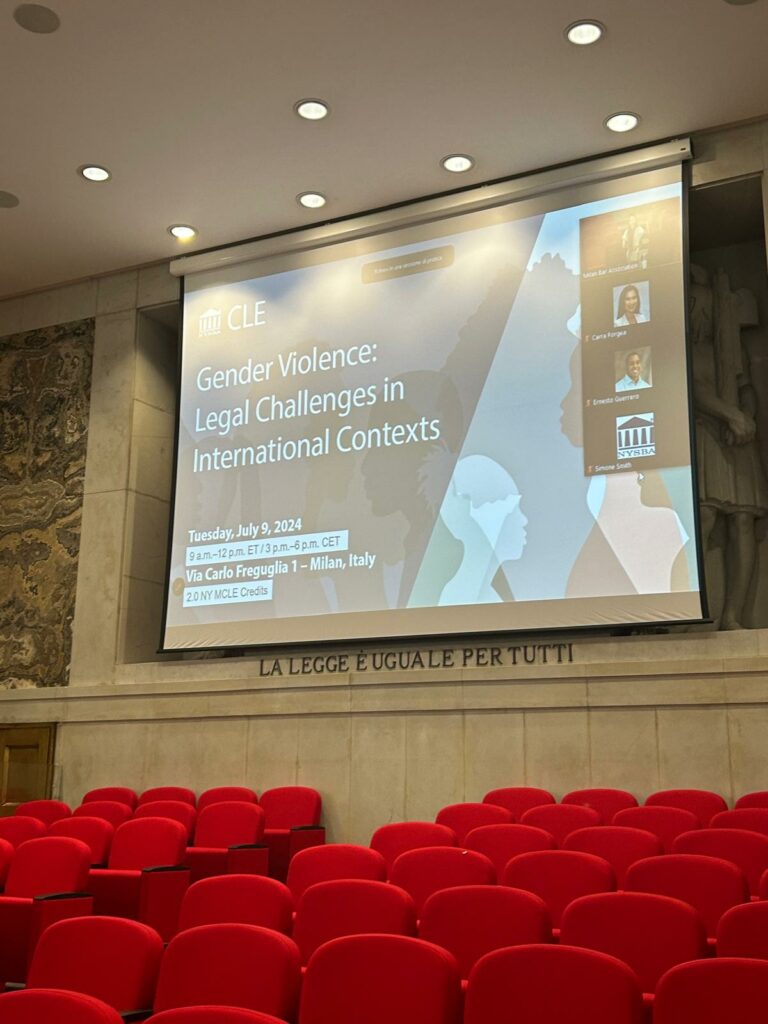
At an event co-hosted by the New York State Bar Association and the Milan Bar Association, international experts delved into the difficulties in combating gender-based violence, and legal strategies and tools to aid victims and survivors.
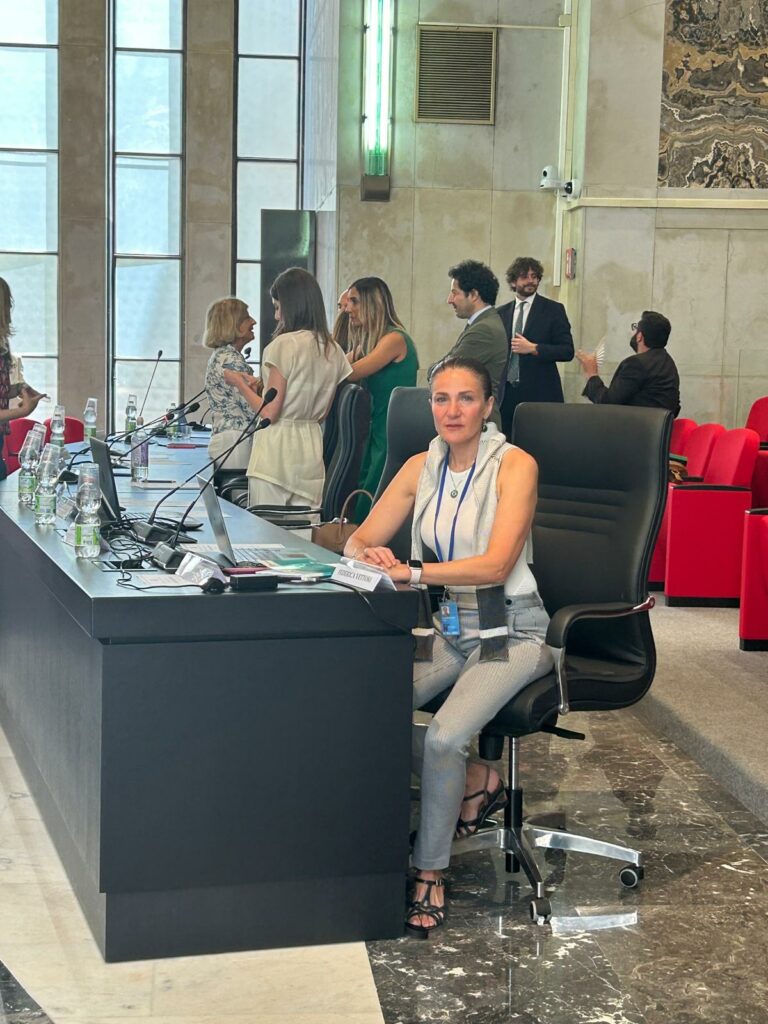
Federica Dell’Orto, attorney at Federica Dell’Orto Law Firm, moderated the event. Many speakers discussed how changes to Italy’s laws have impacted proceedings in domestic violence cases, including protection orders and court appearances by victims.
Technology Brings New Dangers
Sophia Murashkovsky Romma, playwright and professor of Legal Writing at Touro Law, said that gender-based violence has been aided and amplified by the internet.
“Technology has transformed many items of gender-based violence into something that can be perpetrated across distance without physical contact and beyond borders, using anonymous profiles to amplify the victim’s harm,” she said.
Romma said that laws regarding cybercrimes, hate speech, and violence against women must be updated and enforced to reflect this reality. In fact, courts and laws should be more sensitive to the trauma of victims.
Vulnerable People Are Often Victims
Romma also discussed how sexual violence and human trafficking increases in times of conflict and war, including Russia’s invasion of Ukraine.
“Domestic violence does not begin and end in the domestic sphere,” said Judith Wood, immigration lawyer at the Law Office of Judith Wood. “It is systemic, it is in the society, and the society condones domestic violence, and so a woman might be a victim of domestic violence, and then somehow not become a victim. She liberates herself, leaves the situation, and therefore she’s no longer a victim. But the society in which she escapes to is not necessarily welcoming. In fact, it can be quite punitive against the woman who escapes from domestic violence. And moving on to when she actually gets to the United States and files for asylum, the situation can become even more traumatic.”
Wood discussed cases in immigration court where judges doubted her clients’ accounts of violence and denied their asylum claims as a result.
“It’s not limited to a domestic household,” she said. “It’s throughout the system. And when a woman finds herself in immigration court – which is basically where I practice – and the judge basically throws salt on the wound by finding that he doesn’t believe her, despite the fact that she suffered horrific violence.”
Author Consolee Nishimwe shared her story of surviving gender-based violence during the 1994 Rwandan Genocide, and expressed gratitude that so many legal professionals are helping victims and survivors.
“I really appreciate all of you,” she said. “And the work you do to make sure that you are speaking, you are working on behalf of so many survivors. It’s really important. That’s why I’m really honored to be part of this conference. And I was so moved by each and every one of you, by your remarks and the work you have been doing. Whenever I see a survivor, whenever I’m in the community of survivors, I always remind them there are people who care. There are people who are fighting every day to make sure that our voices are heard.”
The program was sponsored by the New York State Bar Association’s International Section, its Italy Chapter, and the Women in Law Section.
Other speakers included:
- Valeria De Vellis, founder of the Missaglia De Vellis Law Firm.
- Constance De La Vega, professor of Law at the University of San Francisco.
- Rula Jebreal, foreign policy analyst, journalist, novelist, and screenwriter.
- Federica Vettori, expert in institutional relations and public affairs, civil rights activist, and president of Associazione Verdevivo Greenlab Florence – Rome.
- Giuseppe Ondei, judge and president of the Court of Appeal of Milan.
- Antonino La Lumia, founding partner of Lexalent and president of the Milan Bar Association.
- Costanza Gargano, president of the Equal Opportunities Committee of the Milan Bar Association.
- Antonio Finelli, president of the Red Code Commission of the Milan Bar Association.
- Fabio Roia, judge and president of the Court of Milan.
- Cinzia Calabrese, attorney at Cinzia Calabrese Law Firm and president of the Italian Association of Lawyers for the Family and Minors.
- Eloisia Minolfi, co-founder of Minolfi & Minolfi.
- Alessandra Rovescalli, member of the Equal Opportunities Committee of the Milan Bar Association.
- Francesco Pesce, member of the International Relations Commission of the Milan Bar Association.
By Rebecca Melnitsky